Remodeling Contractor Tips: How to Guarantee a Seamless Renovation Experience
Managing a home renovation can be demanding. Residents often face unforeseen obstacles that can make things more complex. Selecting the right remodeling contractor is vital for preventing frequent mistakes. Clear expectations and open dialogue can make a significant difference. Yet, many overlook important measures that can lead to stress and postponements. Understanding these valuable tips can help simplify the process and ensure a favorable conclusion. In what ways can residents ready themselves for these difficulties?
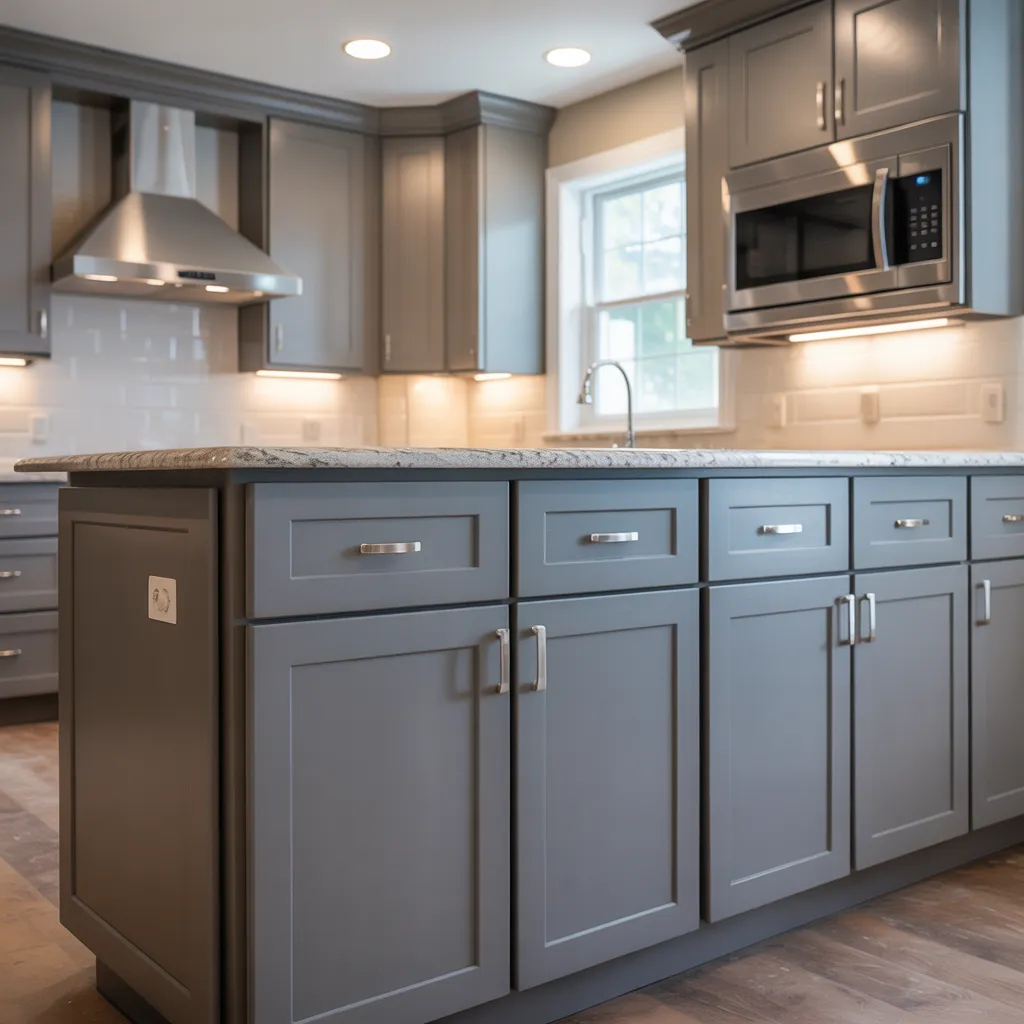
What a Remodeling Contractor Does
A renovation contractor manages the multifaceted process of home remodeling projects, making sure projects progress efficiently from start to finish. This expert acts as the key coordinator in coordinating various tasks, from the planning phase to the finishing details. They demonstrate a deep understanding of building methods, construction materials, and regional regulations, which allows them to reach well-reasoned judgments that impact the results of each project.
The contractor handles coordinating subcontractors, organizing work schedules, and monitoring the budget. They additionally function as a bridge between clients and tradespeople, addressing concerns and providing updates throughout the renovation process. Clear communication is vital, as it helps to align the client's vision with practical execution. Through managing timelines and maintaining quality, the remodeling contractor minimizes disruptions and enhances overall efficiency. Ultimately, their expertise and leadership play a significant role in transforming a client's renovation dreams into reality while ensuring a commitment to safety and industry standards.
How to Set Clear Expectations for Your Project
Setting clear expectations is essential for the achievement of any home improvement project. Homeowners are advised to start by clarifying their goals and expected outcomes, making sure all involved parties are aware of the scope of work. Detailed project descriptions help prevent misunderstandings later on. Establishing a realistic budget is also crucial; it ought to account for possible unexpected costs.
Homeowners need to convey their project timelines, including start and completion dates, which supports the synchronization of contractor timetables. Talking through the materials needed and their availability can further clarify the project's direction. Scheduled updates can help resolve issues in a timely manner, fostering a spirit of teamwork and partnership.
In the end, keeping a written record of all agreements and decisions can act as a point of reference throughout the project, minimizing disputes. By defining these expectations clearly, residents can encourage a more streamlined and productive renovation process, guaranteeing that the completed project reflects their goals.
The Role of Effective Communication
Strong communication functions as the backbone of any thriving remodeling endeavor, guaranteeing that homeowners and contractors remain aligned from start to finish. It encourages openness, enabling all parties to share their goals, preferences, and concerns freely. When communication stays open and reliable, confusion can be reduced, which ultimately helps avoid costly delays and rework.
Contractors gain from regular updates, helping them to adapt schedules and resources accordingly. Homeowners, in return, find comfort through frequent check-ins, remaining more engaged and up to date. Clear communication also fosters trust, a fundamental aspect for a mutually beneficial working partnership.
Utilizing diverse communication channels, including phone calls, in-person meetings, and emails, can accommodate diverse preferences and confirm that critical information is conveyed promptly. Fundamentally, focusing on effective communication not only improves the renovation experience but also plays a role in attaining the desired results with efficiency and satisfaction.
Essential Questions for Choosing the Right Contractor?
How can homeowners guarantee they select a reliable remodeling contractor? To ensure they are making the right selection, they should commence by raising important inquiries. Homeowners are advised to question the contractor regarding their experience and proficiency in targeted remodeling work, verifying that the professional holds the appropriate competencies for the job being considered. It is equally important to request references and samples of previous projects to assess workmanship and dependability.
Homeowners ought to confirm the contractor's licensing and insurance status, ensuring they meet local regulatory requirements. Moreover, addressing the schedule and availability for the project assists in establishing reasonable expectations. Requesting information about subcontractors and their experience can further highlight the standard of professionalism that will be maintained throughout the work.
In conclusion, homeowners ought to ask for a transparent payment plan and ask about guarantees covering both materials and labor. By raising these key inquiries, homeowners are better equipped to vet potential contractors and ultimately choose the right fit for their renovation project.
Assessing Contractor Proposals
When reviewing contractor proposals, it is important to analyze pricing frameworks to ensure budgetary consistency. Moreover, evaluating project timelines helps in assessing the viability of every contractor's proposal. This systematic approach aids in making informed decisions that can considerably affect the remodeling project.
Evaluate Pricing Options
While evaluating pricing structures may appear overwhelming, it is essential for homeowners to thoroughly review contractor proposals to guarantee they receive the best value for their investment. Contractors often propose a range of pricing arrangements, such as flat-rate pricing, time-based billing, or cost-plus contracts. Homeowners ought to evaluate not just the overall price but also the specifics of each proposal. As an example, certain estimates may bundle materials and labor together, whereas others may itemize them individually, resulting in unforeseen costs down the line. Moreover, examining payment structures and terms can highlight potential monetary risks. By recognizing these distinctions, homeowners can make educated decisions and identify a contractor whose pricing approach matches their financial plan and project requirements.
Analyze Project Timelines
Assessing project timelines is vital for homeowners who want clear information in contractor estimates, as postponements can significantly affect financial plans and expectations. A detailed analysis of suggested schedules enables homeowners to recognize likely obstacles and confirm that contractors follow achievable plans. Homeowners should compare the estimated start and completion dates across multiple proposals, paying attention to the specific phases of the project. It is recommended to ask concerning the contractor's plan for addressing unanticipated interruptions, such as environmental factors or logistical challenges. Open discussion concerning key checkpoints can foster accountability and transparency. By grasping the projected timeframe, homeowners can better align their expectations and prepare for any adjustments needed throughout the renovation process, contributing to a more successful project overall.
Tips for Keeping Your Renovation on Track
Staying on schedule during a renovation can considerably influence the total success of the project. To sustain progress, clear communication between the homeowner and contractor is vital. Setting up a thorough timeline with specific milestones helps everyone stay accountable. Consistent meetings can address any potential delays early on, guaranteeing that concerns are addressed in a related article timely manner.
In addition, preparing for unexpected challenges, such as supply chain disruptions or weather-related delays, allows for a more adaptable schedule. It is also important for homeowners to ensure that decisions regarding design choices and materials are finalized beforehand to avoid last-minute alterations that might delay the overall progress.
To conclude, working with a trustworthy contractor with a demonstrated history of success can significantly improve the probability of remaining on track. A well-organized team, backed by the necessary tools and materials, will handle responsibilities effectively, decreasing idle time and keeping the renovation on track. Strategic scheduling and anticipatory supervision are fundamental aspects in accomplishing a punctual renovation finish.
Common Renovation Pitfalls With Contractors
Successful remodeling projects necessitate not only effective scheduling but also an awareness of possible obstacles that can occur when working with contractors. One common issue is poor communication, which can lead to misunderstandings regarding timelines, budgets, and project scope. It is critical for homeowners to define clear goals and sustain transparent communication throughout the home improvement process.
One other common error is underestimating costs. Homeowners frequently fail to consider additional expenses such as materials, permits, or unexpected repairs, which can create financial strain. Moreover, the selection of a contractor is critically important; working with unlicensed or inexperienced professionals can lead to poor quality work or legal issues.
In conclusion, neglecting to check references and reviews can end up with the wrong contractors being hired. Property owners ought to dedicate time to researching and screening potential candidates to avoid delays and dissatisfaction. By identifying these common mistakes, homeowners can safeguard their renovation projects and secure a smoother experience.
Commonly Asked Questions
What Should I Do if My Contractor Misses a Deadline?
If a contractor misses a deadline, the homeowner should communicate directly, voicing their concerns and requesting an explanation. Document the conversation, examine the contract for relevant clauses, and think about establishing a revised schedule or looking into other solutions if needed.
How Can I Handle Unexpected Costs During the Renovation?
To manage unforeseen expenses throughout the renovation process, it is advisable to carefully examine the contract, maintain open communication with the project contractor, consider alternative options, and keep a contingency fund. This preventive method reduces stress levels and ensures a more seamless project flow.
What Permits Are Needed for My Remodeling Project?
To establish necessary permits for a home improvement project, you should review local building codes. Typically, required permits can encompass electrical, structural, plumbing, or zoning permits, based on the project's extent and regional building requirements.
Is It Possible to Stay in My Home During the Renovation?
Yes, homeowners can often live in their homes during renovations, but this largely depends on the extent of the project. Factors like noise, dust, and reduced accessibility may pose challenges, so thorough planning and open communication with your contractors are crucial.
What Is the Best Way to Handle Disputes With My Contractor?
To address conflicts with a contractor, one should express concerns in a clear manner, listen to their perspective, find common ground, document discussions, and, should the need arise, pursue mediation to arrive at an agreeable solution for all involved parties.
Comments on “How a Tucson Remodeling Contractor Delivers Modern Upgrades”